



The psychological impact of gambling understanding the mental toll and emotional consequences
The Nature of Gambling Addiction
Gambling addiction, often termed compulsive gambling, is characterized by an overwhelming urge to gamble, regardless of negative consequences. It is a condition that affects both the mental and emotional aspects of an individual’s life. Those struggling with this addiction frequently chase losses, believing that a big win will solve their financial woes. For comprehensive gaming options, you can visit http://www.methspin-onlineau.com, which creates a cycle of dependence that is difficult to break, as individuals invest more time and money in hopes of regaining lost funds.

The psychological mechanisms at play in gambling addiction often include a mix of cognitive distortions and impulsivity. Gamblers may develop irrational beliefs, such as the “gambler’s fallacy,” which leads them to think that past losses increase their chances of future wins. This distorted thinking reinforces their compulsive behavior, as they ignore the statistical realities of gambling games. Over time, the consistent stress and anxiety associated with gambling contribute to mental health issues such as depression and anxiety disorders.
Furthermore, the thrill of gambling releases dopamine, the brain’s reward chemical, creating a temporary euphoric feeling. However, this pleasure is short-lived, and as losses mount, feelings of guilt and shame often emerge. These emotional consequences can lead to isolation from family and friends, exacerbating feelings of loneliness and despair. The psychological toll is significant, often requiring professional intervention to help individuals reclaim their lives.
The Emotional Consequences of Gambling
Gambling does not only impact the gambler; it extends its emotional repercussions to family members and friends. Many individuals experience feelings of betrayal, anger, and sadness when they witness a loved one lose control to gambling. These emotions can strain relationships, leading to an environment filled with tension and mistrust. Family members often feel helpless, as they may not fully understand the psychological struggles faced by their loved ones.
Moreover, the emotional rollercoaster associated with gambling can lead to chronic stress and anxiety. Gamblers often oscillate between euphoric highs when winning and devastating lows when losing. This constant fluctuation can wear down an individual’s emotional resilience, leading to mental fatigue. For some, the pressure to maintain appearances, particularly in social situations, adds to the emotional burden, making it increasingly difficult to seek help. Understanding the legal landscape surrounding gambling can also assist in providing context for those affected.
Another significant emotional consequence is the development of co-occurring disorders. Many gamblers may resort to alcohol or substance abuse as a coping mechanism for their gambling-related stress. This creates a compounded effect, as the addiction to substances can further hinder an individual’s ability to recover from gambling addiction. Understanding these emotional consequences is critical for effective treatment, as they form an integral part of the healing process.
Impact on Mental Health
The impact of gambling on mental health is profound, often leading to a myriad of psychological issues. Anxiety and depression are the most commonly reported mental health disorders among compulsive gamblers. As gambling becomes a primary focus, individuals may neglect their responsibilities, leading to further anxiety about work, finances, and personal relationships. This neglect can spiral into severe emotional distress, making it imperative to address underlying mental health issues in treatment.
Additionally, gambling addiction has been linked to heightened levels of stress. The constant worry about finances and the need to gamble can induce a state of chronic stress that adversely affects an individual’s overall well-being. This stress can manifest in various physical symptoms, such as insomnia, headaches, and gastrointestinal problems, further complicating the mental health landscape. Addressing these physical symptoms is crucial in the treatment of gambling addiction.
Cognitive behavioral therapy (CBT) and support groups are effective in tackling both the psychological and emotional toll of gambling. These interventions focus on changing maladaptive thought patterns and developing healthier coping mechanisms. By incorporating mental health treatment alongside gambling-specific interventions, individuals stand a better chance of recovering from the emotional and psychological burdens imposed by their addiction.
The Role of Support Systems
Support systems play a critical role in aiding recovery from gambling addiction. Friends, family, and support groups provide emotional and psychological backing that can be vital in the healing process. Those struggling with gambling are encouraged to communicate openly with loved ones about their challenges. This transparency can foster understanding and support, making it easier for individuals to seek the help they need.
Support groups, such as Gamblers Anonymous, offer a community of individuals who share similar experiences. These groups provide a safe space for individuals to express their feelings and share their struggles without judgment. Connecting with others who understand the complexities of gambling addiction can alleviate feelings of isolation and shame, empowering individuals to confront their issues more constructively.
Additionally, professional counseling and therapy are essential in developing coping strategies and emotional resilience. Mental health professionals can provide tailored interventions that address the psychological aspects of gambling addiction, such as anxiety and depression. They can also assist in repairing relationships that may have been damaged due to gambling behavior. This comprehensive approach is often the most effective way to ensure lasting recovery.
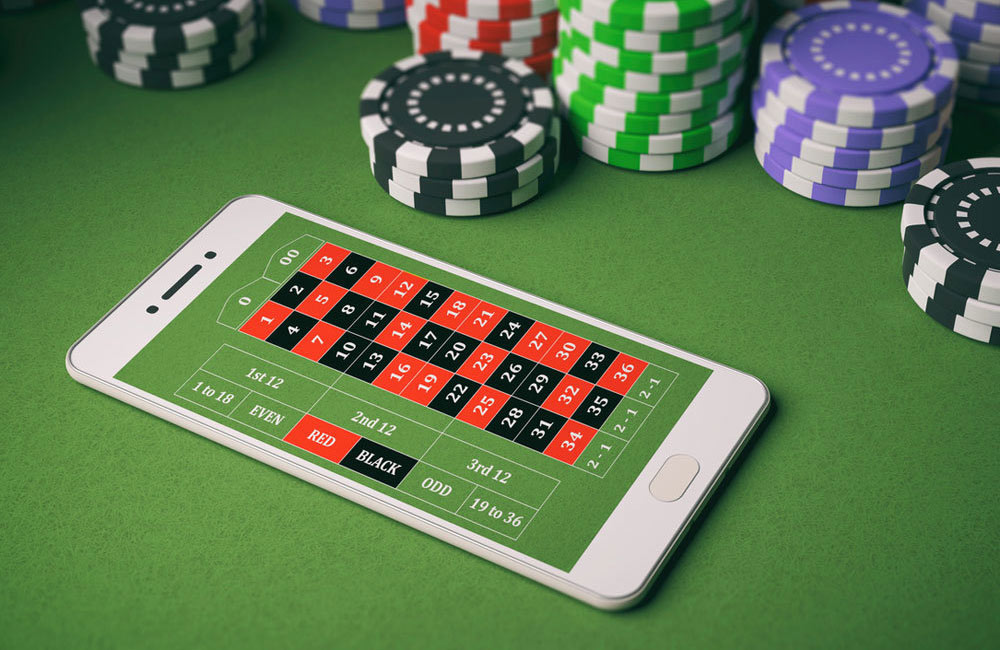
Discovering Responsible Gaming at MethSpin Casino
MethSpin Casino is committed to providing a safe and responsible gaming environment for all players. Understanding the psychological impact of gambling is a priority, and the platform encourages responsible gaming practices. By offering various tools and resources, MethSpin aims to help players make informed decisions and set limits on their gambling activities.
Players can benefit from features like self-exclusion options and deposit limits, ensuring they can enjoy their gaming experience without falling into harmful patterns. MethSpin Casino prioritizes the well-being of its users, offering informative resources on the signs of gambling addiction and guidance on seeking help when needed.
At MethSpin, players can enjoy a diverse selection of games while remaining aware of the importance of mental health. Through responsible gaming practices and a commitment to player support, MethSpin Casino strives to create a positive gaming experience that prioritizes emotional well-being alongside entertainment.